
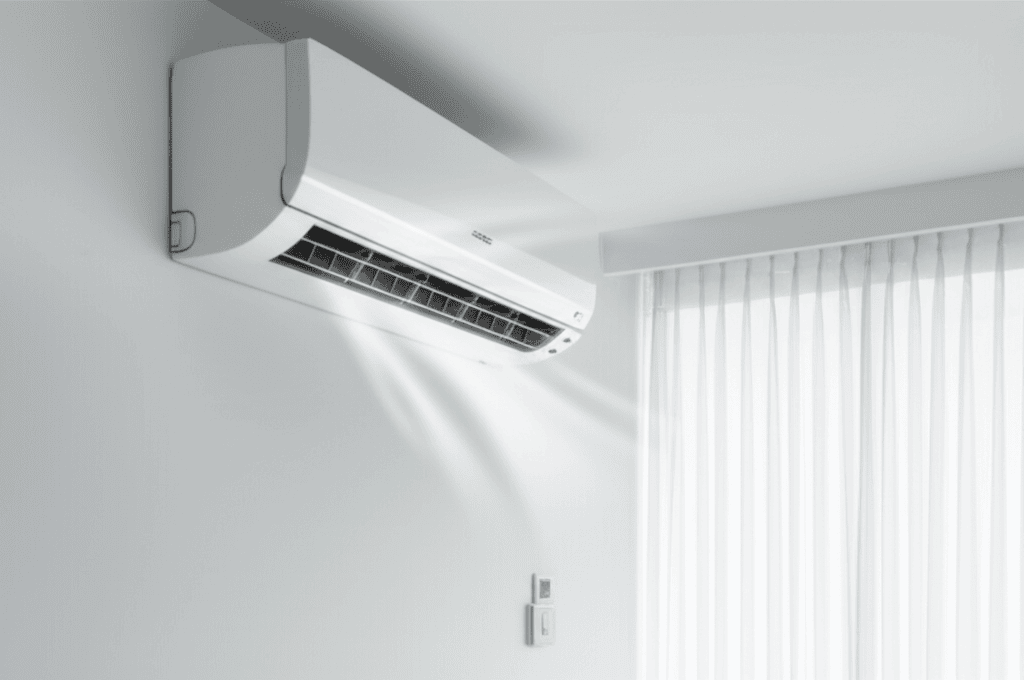
A ductless air conditioning system cools homes and small businesses without need for big, clunky ducts. It uses small units mounted on walls or ceilings inside and a compact compressor outside. People who want quiet airflow, control over each room’s temperature, and lower electric bills find this setup really handy. Imagine staying cool without constant noise or sky-high energy costs while only chilling the rooms actually in use. Ductless systems can slash energy use by up to 30 percent compared to regular AC. This could totally change how cooling works in your space, making comfort simpler and cheaper. Keep going to see why this upgrade gets so much buzz.
In this article I explain what ductless AC installation is, how it works, the benefits and costs, and practical tips to get a smooth install. You will find examples, common pitfalls to avoid, and guidance on whether a professional installation makes sense for your project.
What Is Ductless AC Installation and How It Works
Ductless AC installation places individual air handlers inside living spaces, with refrigerant lines and a small power cable running to an outdoor condensing unit. Each indoor unit blows conditioned air directly into a room. The outdoor unit contains the compressor and condenser coil, while the indoor units contain evaporator coils and fans. This setup avoids duct losses which can occur in traditional central systems.
During installation a technician mounts the indoor units, connects them to the outdoor unit with a discreet wall sleeve or a narrow chase, and charges the refrigerant if needed. Modern systems often come precharged, which shortens the time required on site. The result is a flexible system made up of one or more indoor units linked to a single outdoor unit, or a one to one pairing for simple configurations.
Key Benefits of Installing a Ductless System
Ductless systems offer several practical advantages depending on the property and occupant needs. Here are the most common benefits to consider
- Room by room control which allows different temperature settings for individual spaces. This can be useful for bedrooms, additions, or rooms that are seldom used.
- Lower installation disruption since there is no need to run new ductwork through finished walls and ceilings. Install teams usually need only a small hole per indoor unit.
- Improved indoor air quality potential as the absence of ducts reduces dust and allergens circulated through long duct runs. Many indoor units include washable filters.
- Space saving where homeowners do not have room for a duct system or where an addition is not practical.
- Quiet operation indoors because the noisy parts are housed outdoors, while indoor units operate at low sound levels.
Step by Step What to Expect During Installation
A clear picture of the install process helps set realistic expectations. Most residential ductless installs follow these stages
- Site visit and load calculation to size the system
- Planning indoor unit locations and routing for lines
- Mounting indoor units and outdoor unit placement
- Running refrigerant lines and electrical connections
- System startup and performance testing
Indoor unit placement and preparation
Technicians aim to place indoor units where airflow is unobstructed and where occupants receive even cooling. Common spots are high on internal walls, near windows, or above doorways. Installers usually drill a 2 to 3 inch hole to pass refrigerant lines, drain line, and electrical conduit. Installers will use a sealed sleeve and finish trim so the opening looks neat.
Outdoor unit placement and considerations
Outdoor units need a flat surface such as a concrete pad or mounted bracket on an exterior wall. Technicians plan for airflow clearance and convenient access for maintenance. In tight yards they may use vibration isolation pads to reduce noise transmission. Proper clearance helps maintain system capacity and reduces the chance of airflow restriction which can reduce system life.
Sizing and Capacity How to Choose the Right Unit
Correct sizing prevents short cycling and ensures comfort. A technician performs a room by room heat load calculation. Factors include room square footage, ceiling height, insulation level, window area and orientation, and local climate. One common mistake is selecting a unit by square footage alone. That method misses heat gain and loss factors, which can lead to an undersized or oversized unit.
For multi zone systems, installers calculate the total load and then assign individual indoor units sized for each room. It is common to use a slightly oversized outdoor unit that can handle multiple indoor heads. A well matched system achieves steady operation and better humidity control.
Cost Factors and Typical Price Ranges
Prices vary based on system type, number of indoor units, labor rates and site complexity. Here are typical cost drivers
- Number of indoor units, which increases equipment and installation time
- Type of indoor unit, such as wall mounted, ceiling cassette or ducted mini split
- Length and routing of refrigerant lines, which affects labor
- Electrical upgrades, if the existing service needs a new circuit
- Local permitting and inspection fees
As an example, a single zone ductless install in many regions falls in a moderate price range, while multi zone setups can be significantly higher. Requesting multiple written estimates and asking for detailed scopes helps compare offers fairly. Ask what is included for startup, refrigerant charging, system testing, and any warranty on parts and labor.
Maintenance Tips and Common Troubleshooting
Basic maintenance keeps a ductless system running smoothly and reduces unplanned service calls. Homeowners can perform the following routine tasks
- Clean or rinse indoor filters every 2 to 4 weeks when in heavy use
- Keep outdoor unit free of debris and vegetation
- Check that drain lines are clear to prevent water leaks
- Schedule a professional inspection annually to check refrigerant charge and electrical connections
Common issues include weak airflow, unexpected noises, and water leaks. Weak airflow often comes from dirty filters or an obstructed indoor unit. Strange noises may indicate loose panels, an object in the fan, or failing fan motors. Leaks are often caused by clogged condensate drains. When problems persist after basic checks, contact a qualified service technician to diagnose refrigerant or compressor issues.
Choosing a Local Installer and When to Hire a Professional
Installing a ductless system involves refrigerant piping and electrical work that requires specific training and licensing in many areas. For safety and system longevity, many homeowners opt for a professional installation. When selecting a contractor review the following
- Licensing and insurance records
- References and recent customer feedback
- Detailed written estimates with a clear scope
- Warranty terms on both equipment and labor
If you are located in the Southlake area, a local firm with experience on regional climate conditions can help size and place units for comfort through hot months. For a local option with proven experience search for firms that specialize in indoor comfort solutions and that display clear information about their process and guarantees. A local resource that offers both sales and installation can reduce coordination time, and you may find timely service when routine maintenance or repairs are needed. For example the following local resource provides information on install services and options for the area Berkeys Southlake TX Ductless AC Installation
DIY Considerations and Safety Notes
Some elements of a ductless project are DIY friendly while others require a professional. Mounting a bracket, painting around an installed sleeve, or changing washable filters are manageable tasks for many homeowners. Handling refrigerant, brazing copper lines, and making high voltage electrical connections typically require certified technicians. Attempting those tasks without training may void warranties and can be hazardous.
If you plan to be involved, ask the installer what tasks you can take on to reduce labor time. Many contractors will let homeowners prepare the work area, clear landscaping near the outdoor unit pad, and handle light cleanup. Confirm these details before work begins so there are no surprises on installation day.
Real World Examples and Practical Tips
Example 1, small sunroom conversion
- A homeowner converted a sunroom into a year round reading room. A single wall mounted indoor unit tied to an outdoor compressor provided quick cooling with minimal cost and no ductwork.
- Tip, place the unit on the interior wall above seating to move cool air across the space without creating drafts over heads.
Example 2, multi zone in older house
- An older home that lacked central ducts used a three zone ductless system. Each bedroom had its own indoor unit which gave occupants individual comfort control and lower energy use at night.
- Tip, position units away from direct sunlight to reduce heat gain and lower run time.
Practical tips for a smooth install include having clear access to the exterior wall, trimming vegetation near the outdoor unit site, and arranging for any required electrical upgrades in advance. Clear communication with the installer about preferred indoor unit locations prevents changes on install day, which can save labor time.
With good planning you can convert problem rooms into comfortable spaces with a ductless system that fits the property layout and budget. Use an experienced installer to confirm sizing and connections so the system performs as expected over time.
Conclusion
Ductless AC installation offers a flexible cooling solution for rooms where adding ducts is impractical or for homes that need zoned temperature control. The system works by placing compact indoor units in living spaces and a single outdoor compressor outside. Benefits include lower installation disruption, targeted comfort control and easier installation in additions and older homes. To get the best outcome plan a proper load calculation, choose the right indoor unit types, and pick a qualified installer with clear pricing and warranty details. Routine maintenance like cleaning filters and keeping the outdoor unit clear will help the system perform reliably. If you are ready to explore ductless options, request on site assessments from local professionals who can show you equipment options, placements and a written estimate. Taking that step helps you convert hot or uneven rooms into comfortable areas, and it gives you a path to a more flexible cooling setup for your property. Contact a local HVAC company to book an assessment and compare estimates so you can move forward with confidence.
